
This article will delve into the fascinating properties of artichokes, emphasizing their nutritional benefits and potential health advantages. Furthermore, we will address important precautions to keep in mind when consuming artichokes, especially for those with specific dietary restrictions or allergies. Lastly, we will offer creative and delicious suggestions on how to incorporate artichokes into your diet.
Artichoke Nutritional Benefits
Artichokes, often regarded as a culinary delight, are also packed with a wealth of nutritional benefits that contribute to a healthy diet. These thistle-like vegetables are not only low in calories but also rich in essential nutrients that support overall health.
Nutrient-rich profile
Artichokes are a powerhouse of nutrients, offering an impressive array of vitamins and minerals. A medium-sized artichoke contains approximately:
- 60 calories
- 4 grams of protein
- 14 grams of carbohydrates
- 7 grams of fibre
- Vitamin C
- Vitamin K
- Folate
- Magnesium
- Potassium
This impressive nutrient profile makes artichokes an excellent choice for those looking to maintain or improve their health.
Antioxidant properties
Artichokes are also known for their high antioxidant content. Antioxidants are crucial for combating oxidative stress in the body, which can lead to chronic diseases. Notably, artichokes contain compounds such as cynarin and silymarin, which contribute to their antioxidant effects. Regular consumption of artichokes may help protect cells from damage, reduce inflammation, and promote overall well-being.
Health Benefits of Artichokes
In addition to their rich nutritional profile, artichokes offer various health benefits that can enhance your quality of life.
Digestive health support
Artichokes are particularly beneficial for digestive health due to their high fibre content, which aids in regular bowel movements and prevents constipation. The fibre acts as a prebiotic, supporting the growth of healthy gut bacteria. Moreover, cynarin, found in artichokes, has been shown to stimulate bile production, which further aids in digestion and fat absorption.
Heart health enhancement
Including artichokes in your diet may also support heart health. The fibre, potassium, and antioxidants present in artichokes can contribute to lower cholesterol levels and improved blood pressure. Studies suggest that regular consumption of artichokes may reduce the risk of heart disease by improving overall cardiovascular health.
Potential Side Effects
While artichokes are generally safe for most individuals, there are some potential side effects to be aware of.
Allergic reactions
Some individuals may experience allergic reactions to artichokes, particularly those with allergies to other plants in the Asteraceae family, such as daisies and marigolds. Symptoms can include itching, hives, or gastrointestinal discomfort. If you suspect an allergy, it is advisable to consult with a healthcare professional before consuming artichokes.
Gastrointestinal discomfort
For some individuals, especially those with irritable bowel syndrome (IBS) or other gastrointestinal disorders, consuming artichokes may lead to gas, bloating, or abdominal pain. It’s essential to introduce artichokes gradually into your diet and monitor how your body reacts.
Cooking with Artichokes
Artichokes can be prepared in various ways, adding diverse flavours and textures to your meals.
Preparation methods
When preparing artichokes, you can choose from several methods, including steaming, boiling, grilling, or roasting. Here’s a brief overview of popular preparation techniques:
- Steaming: This method preserves the artichoke’s nutrients and flavour. Steam for about 25-35 minutes until tender.
- Boiling: Boil artichokes in salted water for 20-30 minutes. Allow them to cool before serving.
- Grilling: After boiling, halve the artichoke and grill for added smokiness and flavour.
- Roasting: Toss with olive oil and seasonings, then roast until crispy and tender.
Popular recipes
Artichokes can be the star of various dishes. Some popular recipes include:
- Stuffed Artichokes: Fill the leaves with a mixture of breadcrumbs, garlic, and herbs.
- Artichoke Dip: Blend cooked artichokes with cream cheese, parmesan, and spices for a delicious dip.
- Grilled Artichokes: Serve grilled artichokes with a lemon-garlic aioli for a perfect appetizer.
Growing Artichokes
For those interested in gardening, growing artichokes can be a rewarding experience.
Ideal growing conditions
Artichokes thrive in well-drained soil with plenty of sunlight. They prefer slightly acidic to neutral pH levels and require regular watering, especially during dry spells. Ideally, plant artichokes in a region with a Mediterranean climate or in well-protected areas in cooler regions.
Care and maintenance tips
To ensure healthy growth, it’s essential to regularly check for pests and diseases. Fertilising the soil with compost or a balanced fertiliser can promote robust growth. Additionally, pruning dead leaves and spent flowers will help the plant remain productive.
Choosing and Storing Artichokes
When it comes to enjoying artichokes, proper selection and storage are key.
Selecting fresh artichokes
When choosing artichokes, look for firm, tightly closed buds with vibrant green colour. Avoid those with brown spots or wilting leaves. The size of an artichoke can vary, but generally, larger ones are more mature and may have a more robust flavour.
Proper storage techniques
To store artichokes, wrap them in a damp paper towel and place them in a plastic bag in the refrigerator. They can last for about a week when stored properly. For longer storage, consider blanching and freezing them.
In conclusion, artichokes are a nutritional powerhouse with numerous health benefits, making them a great addition to any diet. Whether you’re cooking with them or considering growing your own, there’s much to appreciate about this unique vegetable. For more information and ideas related to artichokes and other culinary delights, be sure to check out our product section on our website!
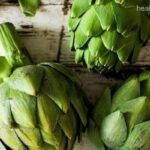 Artichoke: Properties and Precautions
 Women’s Body Fat Index Explained
 How to Stop Hair Loss Safely