
This article explores the captivating world of Ginkgo Biloba tea, examining its potential health benefits, flavor profile, and the way it has intrigued both tea lovers and health-conscious people. We will share reviews from individuals who have experienced this herbal infusion, along with suggestions on how to seamlessly include it in your daily routine. Whether you are interested in its effects on cognitive function or simply looking for a refreshing new beverage, this piece aims to provide valuable insights and practical ideas for enjoying Ginkgo Biloba tea.
Benefits of Ginkgo Biloba Tea
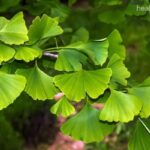
Ginkgo Biloba tea, derived from the leaves of the Ginkgo Biloba tree, has been cherished for centuries in traditional medicine. This herbal infusion offers a variety of health benefits that have drawn attention from health enthusiasts and researchers alike.
Health Advantages
Ginkgo Biloba tea is packed with antioxidants, which can help combat oxidative stress in the body. Some of the notable health benefits include:
- Improved Circulation: Ginkgo is known to enhance blood flow, which can assist in delivering oxygen and nutrients to various organs.
- Heart Health: Regular consumption may contribute to better cardiovascular health by improving blood vessel function.
- Anti-Inflammatory Properties: The antioxidants in Ginkgo Biloba can help reduce inflammation, potentially benefiting conditions like arthritis.
Cognitive Enhancement
One of the most researched benefits of Ginkgo Biloba tea is its potential for cognitive enhancement. Studies suggest that it may improve memory, focus, and overall brain function. This has made it a popular choice among students and older adults seeking to maintain cognitive health.
- Memory Improvement: Some studies indicate that Ginkgo can help enhance memory recall and cognitive speed in both healthy individuals and those with cognitive impairments.
- Neuroprotective Effects: Ginkgo may help protect against age-related decline in brain function, making it an appealing option for those concerned about dementia or Alzheimer’s.
Preparation Methods
Brewing Ginkgo Biloba tea is a straightforward process, but there are different methods to enhance its flavour and effectiveness.
Brewing Techniques
To prepare Ginkgo Biloba tea, follow these simple steps:
- Choose Quality Leaves: Use dried Ginkgo Biloba leaves, either whole or crushed, for optimal flavour.
- Boil Water: Bring fresh, filtered water to a boil. The ideal temperature is around 90-95°C (194-203°F).
- Steep: Add 1-2 teaspoons of Ginkgo leaves to a teapot or infuser, and pour the hot water over them. Let it steep for about 5-10 minutes.
- Strain and Serve: Strain the tea into a cup. You can enjoy it plain or add honey or lemon for flavour.
Ingredient Tips
To enhance the flavour and health benefits of your Ginkgo tea, consider adding:
- Ginger: Adds a spicy kick and assists with digestion.
- Green Tea: Combines well for an antioxidant boost.
- Honey: Natural sweetener that can also soothe the throat.
User Reviews
Understanding what others think about Ginkgo Biloba tea can help you decide if it’s right for you.
Customer Experiences
Many users report positive experiences with Ginkgo Biloba tea. Common feedback includes:
- Increased focus during work or study sessions.
- A noticeable improvement in mood and overall well-being.
- Better retention of information and memory recall.
Ratings Overview
On various platforms, the average user rating for Ginkgo Biloba tea hovers around 4.5 out of 5 stars, with many praising its efficacy and pleasant taste. However, some users note that the effects may take time to manifest, encouraging patience for optimal benefits.
Potential Side Effects
While Ginkgo Biloba tea is generally safe for most individuals, it’s crucial to be aware of potential side effects.
Common Reactions
Some people may encounter mild side effects, which can include:
- Headaches
- Dizziness
- Gastrointestinal upset
If you notice any severe reactions, it is advisable to stop using the tea and consult a healthcare professional.
Precautions to Consider
Before adding Ginkgo Biloba tea to your daily routine, keep the following precautions in mind:
- If you are pregnant or breastfeeding, consult your doctor before use.
- Those on blood thinners or with bleeding disorders should avoid Ginkgo, as it may increase the risk of bleeding.
- Speak with a healthcare professional if you have epilepsy or are taking medications for seizures.
Where to Buy Ginkgo Biloba Tea
If you’re interested in trying Ginkgo Biloba tea, there are several options available for purchase.
Retail Options
Ginkgo Biloba tea can often be found at health food stores, specialty tea shops, and larger supermarkets with a dedicated herbal section. Look for reputable brands that provide clear ingredient information.
Online Sources
Online shopping offers a convenient way to explore various brands and blends. Websites like Amazon and health-focused retailers often have a wide selection, allowing you to read reviews and compare prices. Don’t forget to check our own product section on our website for curated options!
Conclusion and Recommendations
In summary, Ginkgo Biloba tea is a herbal infusion that offers numerous health benefits, particularly in cognitive enhancement and circulation. While many users report positive experiences, it’s important to prepare it correctly and be aware of potential side effects.
Final Thoughts: If you’re considering adding Ginkgo Biloba tea to your routine, explore different brewing methods and combinations to find what suits your taste and health needs. Always consult with a healthcare professional if you have any concerns, especially if you are taking medications or have underlying health conditions. Happy brewing!
 Ginkgo Biloba: Uses and Precautions
 Tips to Reduce Digestive Bloating
 Emotional Exhaustion in Women: Signs and Tips