
This article will delve into a range of natural techniques designed to help reduce hair loss, offering valuable insights into lifestyle modifications, dietary changes, and herbal treatments that could encourage healthier hair growth. We will examine practical recommendations and ideas that can seamlessly fit into your daily routines, empowering you to take charge of your hair health. Whether you are facing thinning hair or simply wish to maintain your locks, these suggestions are intended to assist you on your path towards thicker, more resilient hair.
Understanding Hair Loss Causes
Hair loss can be a distressing experience, affecting self-esteem and confidence. Understanding the underlying causes is crucial for addressing the issue effectively.
- Genetics: One of the most common factors, hereditary hair loss affects both men and women. Known as androgenetic alopecia, it typically manifests as thinning hair or bald spots.
- Hormonal Changes: Hormonal fluctuations due to pregnancy, menopause, or thyroid issues can lead to temporary or permanent hair loss.
- Medical Conditions: Certain diseases, such as alopecia areata, scalp infections, and autoimmune disorders, can cause hair loss.
- Medications: Some medications for conditions like cancer, arthritis, depression, and heart problems may have hair loss as a side effect.
- Lifestyle Factors: Poor diet, lack of sleep, and high-stress levels can contribute to hair thinning.
Natural Remedies for Hair Health
Many people prefer natural remedies to combat hair loss. Here are some effective home treatments that may help improve hair health:
- Aloe Vera: Known for its soothing properties, aloe vera can reduce scalp irritation and promote hair growth.
- Coconut Oil: Rich in fatty acids, this oil nourishes hair and reduces protein loss, making hair stronger and shinier.
- Onion Juice: High in sulphur, onion juice can improve blood circulation to the scalp and promote hair regrowth.
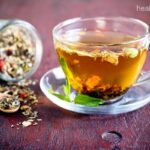
- Green Tea: Packed with antioxidants, green tea may stimulate hair growth when applied topically.
Nutrition for Stronger Hair
A well-balanced diet plays a pivotal role in maintaining healthy hair. Essential vitamins and minerals that support hair strength include:
- Biotin: Often referred to as vitamin H, biotin is crucial for hair growth and can be found in eggs, nuts, and whole grains.
- Vitamin D: This vitamin helps create new hair follicles. Sources include sunlight, fatty fish, and fortified dairy products.
- Iron: Low iron levels can lead to hair loss. Incorporate red meat, lentils, and spinach into your diet.
- Omega-3 Fatty Acids: Found in fish, flaxseeds, and walnuts, these fats nourish the hair and promote growth.
- Zinc: Important for hair tissue growth and repair, zinc can be obtained from meat, shellfish, and legumes.
Scalp Care Techniques
A healthy scalp is crucial for hair health. Here are some techniques to ensure your scalp remains in peak condition:
- Regular Cleansing: Use a gentle shampoo to keep the scalp clean and free from excess oil and product build-up.
- Exfoliation: Just like your skin, your scalp needs exfoliation to remove dead skin cells and promote circulation.
- Oil Massages: Regularly massaging your scalp with oils like olive or coconut can enhance blood flow and improve hair health.
- Avoid Heat Styling: Excessive use of heat can damage the scalp and hair follicles. Try to limit the use of hair dryers and straighteners.
Stress Management Strategies
Stress is a significant contributor to hair loss, and managing it can enhance hair vitality. Here are some strategies to consider:
- Mindfulness and Meditation: Practicing mindfulness can help reduce stress levels. Set aside time each day for meditation or deep-breathing exercises.
- Physical Activity: Engaging in regular exercise not only relieves stress but also promotes overall health, including hair health.
- Social Connections: Spending time with loved ones can provide emotional support and distract from stressors.
- Hobbies: Pursuing hobbies you enjoy can be a great way to relax and relieve stress.
Hair Care Routine Tips
Establishing a proper hair care routine can significantly impact hair health. Here are some best practices for daily care:
- Gentle Washing: Avoid washing your hair too frequently to prevent stripping natural oils. Aim for every two to three days.
- Conditioning: Always use a conditioner after shampooing to keep hair hydrated and manageable.
- Minimal Towel Drying: Instead of rubbing your hair dry, gently squeeze out excess water to prevent breakage.
- Choose the Right Products: Select shampoos and conditioners suited to your hair type, avoiding those with harsh chemicals.
When to Seek Professional Help
While many hair loss remedies can be approached at home, it’s essential to know when to seek professional advice. Look out for the following signs:
- Sudden Hair Loss: If you experience sudden or patchy hair loss, it may indicate a medical condition that requires attention.
- Severe Itching or Redness: Persistent scalp irritation or redness can signify an underlying issue.
- Family History: If hair loss runs in your family and you notice thinning, consulting a dermatologist might be beneficial.
- Changes in Hair Texture: If your hair becomes brittle or dry despite a good care routine, it may be time to seek expert advice.
In conclusion, addressing hair loss involves understanding its causes, adopting a healthy diet, caring for your scalp, managing stress, and following a consistent hair care routine. For more information and ideas on hair care, don’t forget to check out our product section by browsing our website, where you can discover additional resources to support your hair health journey.
 Detox Teas for the Body
 Importance of Bees and Bee Products