
Benefits of Lipid Nutritional Supplements
Lipid nutritional supplements offer a variety of health benefits that can improve overall well-being. These supplements are rich in essential fatty acids, which play a crucial role in various bodily functions. Some key benefits include:
- Heart Health: Omega-3 fatty acids found in lipid supplements can lower triglyceride levels and reduce the risk of heart disease.
- Brain Function: Certain lipids, like DHA, are vital for brain health and may help improve memory and cognitive functions.
- Anti-inflammatory Properties: Lipid supplements can help reduce inflammation, which is linked to several chronic diseases.
- Skin Health: Essential fatty acids can improve skin hydration and elasticity, promoting a healthy complexion.
-
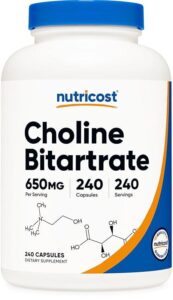
Discovering Clarity: My Experience with Nutricost Choline Capsules
-
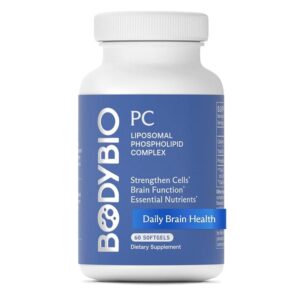
My Take on BodyBio PC Supplement: Is It Effective for Brain Health?
-
Nutricost CDP Choline Capsules: A Game Changer for Cognitive Support!

-
My Thoughts on Phosphatidylserine Capsules: Are They Effective?

-
Lemme Focus Gummies: Do They Really Boost Concentration?

-
NatureBell Citicoline: Does This 2-in-1 Brain Supplement Deliver?

-
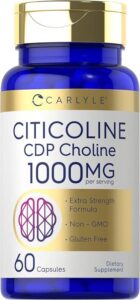
Carlyle Citicoline: A Potent Boost for Brain Health and Focus
-
CDP Choline Supplement: A Game-Changer for Cognitive Support

-
My Take on Jarrow Citicoline Brain Supplement: Is It Effective?

Top Lipid Supplements for Health
When considering lipid nutritional supplements, several types are particularly well-regarded for their health benefits:
- Fish Oil: Rich in omega-3 fatty acids, fish oil is known for its heart and brain benefits.
- Flaxseed Oil: A plant-based source of omega-3, flaxseed oil is great for vegetarians and vegans.
- Krill Oil: Contains omega-3s and antioxidants, which may enhance absorption and provide additional health benefits.
- Evening Primrose Oil: High in gamma-linolenic acid (GLA), it can help with skin conditions and hormonal balance.
How to Choose the Right Lipid Supplement
Choosing the right lipid supplement can be overwhelming. Consider these factors to make an informed decision:
- Quality: Look for supplements that are third-party tested for purity and potency.
- Source: Choose supplements derived from reputable sources, preferably wild-caught fish or organic plants.
- Form: Decide whether you prefer capsules, liquid oils, or soft gels based on your convenience and taste.
- Dosage: Consult with a healthcare provider to determine the appropriate dosage for your health needs.
Potential Risks and Side Effects of Lipid Supplements
While lipid nutritional supplements offer many benefits, it’s essential to be aware of potential risks and side effects:
- Digestive Issues: Some users may experience nausea, diarrhea, or upset stomach.
- Blood Thinning: Omega-3 supplements can thin the blood, which may pose risks for individuals on anticoagulant medications.
- Allergic Reactions: Those allergic to fish or shellfish should avoid fish oil and krill oil supplements.
- Interactions: Lipid supplements can interact with certain medications, so it’s vital to discuss with a healthcare provider before starting.
Frequently Asked Questions about Lipid Nutritional Supplements
Here are some common questions people have regarding lipid nutritional supplements:
- What are the best times to take lipid supplements? It’s generally recommended to take lipid supplements with meals for better absorption.
- How long does it take to see results from lipid supplements? Results can vary, but many people notice benefits within a few weeks of consistent use.
- Are lipid supplements safe for everyone? While generally safe, individuals with specific health conditions or those taking medications should consult a healthcare provider.