
This article will delve into a variety of natural techniques aimed at effectively reducing cholesterol levels. We will cover essential aspects such as lifestyle modifications, dietary changes, and home remedies that play a crucial role in enhancing heart health. Furthermore, we will offer practical tips and suggestions to seamlessly integrate these natural approaches into your daily life, fostering a healthier lifestyle overall. Whether you aim to implement minor adjustments or pursue significant transformations, this guide is designed to empower you with the knowledge needed to manage your cholesterol levels in a natural way.
Importance of Cholesterol Levels
Maintaining healthy cholesterol levels is crucial for overall heart health. Cholesterol is a waxy substance found in your blood, and while your body needs it to build healthy cells, too much cholesterol can increase your risk of heart disease. High levels of low-density lipoprotein (LDL) cholesterol, often referred to as «bad» cholesterol, can lead to a build-up of fatty deposits in your arteries. This can restrict blood flow and potentially result in heart attacks or strokes. Monitoring and managing your cholesterol levels is essential for reducing these risks and promoting cardiovascular health.
Dietary Changes for Heart Health
One of the most effective ways to manage cholesterol levels is through dietary changes. Here are some key modifications you can make:
- Increase soluble fibre: Foods such as oats, beans, lentils, fruits, and vegetables are rich in soluble fibre, which helps lower LDL cholesterol.
- Choose healthy fats: Opt for unsaturated fats found in olive oil, avocados, and nuts while avoiding trans fats and excessive saturated fats.
- Incorporate fatty fish: Fish like salmon, mackerel, and sardines are high in omega-3 fatty acids, which are beneficial for heart health.
- Limit processed foods: Reduce your intake of processed and sugary foods, as they can contribute to unhealthy cholesterol levels.
Making these dietary changes can significantly impact your cholesterol levels and overall heart health.
Exercise and Physical Activity
Regular physical activity is another vital component in managing cholesterol levels. Engaging in exercise can help raise high-density lipoprotein (HDL) cholesterol, known as the «good» cholesterol, while lowering LDL cholesterol. Here are some exercise suggestions:
- Aerobic exercises: Activities such as walking, running, cycling, and swimming can be beneficial. Aim for at least 150 minutes of moderate aerobic activity each week.
- Strength training: Incorporating weight training exercises twice a week can help improve muscle mass and contribute to better cholesterol levels.
- Stay active throughout the day: Simple changes, like taking the stairs instead of the lift or walking during lunch breaks, can enhance your physical activity levels.
By making exercise a regular part of your routine, you can effectively improve your cholesterol profiles.
Stress Management Techniques
Chronic stress can negatively affect your cholesterol levels and overall heart health. Finding effective stress management techniques can help mitigate these effects. Consider the following approaches:
- Meditation and mindfulness: Practicing mindfulness or meditation can help reduce stress levels and improve mental well-being.
- Yoga and deep breathing: Incorporating yoga into your routine or practicing deep breathing exercises can promote relaxation and lower stress.
- Engage in hobbies: Pursuing activities you enjoy, such as gardening, reading, or painting, can provide a much-needed distraction and reduce stress.
Prioritizing stress management can lead to improved emotional health and, consequently, better cholesterol levels.
Herbal Remedies and Supplements
Several herbal remedies and supplements may assist in managing cholesterol levels. While they should not replace a healthy lifestyle, they can complement your efforts:
- Plant sterols and stanols: These natural substances found in plants can help block cholesterol absorption in the intestines.
- Omega-3 supplements: If you don’t consume enough fatty fish, omega-3 supplements can provide the same heart health benefits.
- Garlic: Some studies suggest that garlic can help lower cholesterol levels, although more research is needed.
Always consult with a healthcare professional before starting any new supplements to ensure they are appropriate for your specific health needs.
Regular Health Check-ups
Regular health check-ups are essential for monitoring your cholesterol levels and overall heart health. Routine blood tests can provide valuable information regarding your cholesterol and triglyceride levels. It is advisable to discuss with your doctor how often you should be screened based on your age, family history, and risk factors. These check-ups can help catch any potential issues early on, allowing you to take proactive measures to improve your heart health.
Lifestyle Modifications for Success
Achieving and maintaining healthy cholesterol levels often requires a combination of lifestyle changes. Here are some modifications to consider:
- Quit smoking: If you smoke, seek support to quit, as this can improve your HDL cholesterol levels and benefit your heart health.
- Limit alcohol consumption: Moderation is key; excessive alcohol can lead to high cholesterol and other health issues.
- Maintain a healthy weight: Losing excess weight can help lower your cholesterol levels and improve your overall heart health.
These lifestyle changes can lead to significant improvements in your cholesterol levels and overall well-being.
Myths and Misconceptions about Cholesterol
There are numerous myths surrounding cholesterol that can lead to confusion. Here are some common misconceptions:
- All cholesterol is bad: This is not true; your body needs cholesterol to function, and HDL cholesterol is beneficial for heart health.
- Dietary cholesterol directly raises blood cholesterol: Research indicates that for most people, dietary cholesterol has a minimal effect on blood cholesterol levels.
- Only medication can manage cholesterol: While medication can be necessary for some, lifestyle changes can effectively lower cholesterol levels.
Understanding these myths can empower you to make informed decisions about your health.
In conclusion, managing cholesterol levels is a multifaceted approach that involves dietary changes, regular exercise, stress management, and consistent health check-ups. For additional information, tips, and ideas related to heart health, feel free to browse our website, where we also have a product section dedicated to supporting your journey towards improved well-being.
 Natural Treatments for Menopause Hot Flashes
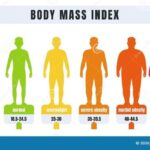 Understanding Men’s Body Fat Index
 Pills for Reducing Water Retention and Fat