
This article will examine the fundamental differences between being overweight and being obese, two terms frequently used interchangeably yet possessing unique definitions in relation to health and body composition. We will investigate the definitions, causes, and health implications of both conditions, while also offering practical ideas and strategies for effectively managing weight. By the conclusion of this article, readers will gain a clearer insight into how these two conditions diverge and the significance of addressing them for overall health and wellbeing.
Understanding Weight Categories
Understanding the distinctions between being overweight and obese is crucial for recognising health risks and implementing effective management strategies. These terms are often used interchangeably, but they have specific definitions based on body mass index (BMI), a measure that uses height and weight to categorise individuals.
Definition of overweight
According to the World Health Organisation (WHO), a person is classified as overweight if their BMI is between 25 and 29.9. This category indicates that an individual has excess body weight for their height, which can lead to various health issues if not addressed.
Definition of obesity
Obesity is defined as having a BMI of 30 or above. This condition signifies a more severe level of excess body fat, which can significantly increase the risk of developing chronic diseases and other health complications. Obesity is further divided into three classes: Class 1 (BMI 30-34.9), Class 2 (BMI 35-39.9), and Class 3 (BMI 40 and above), the latter often referred to as severe or morbid obesity.
Health Implications
Both overweight and obesity carry health risks, but the implications can vary significantly between the two categories.
Risks associated with overweight
- Increased likelihood of developing type 2 diabetes
- Higher blood pressure
- Elevated cholesterol levels
- Joint problems due to added stress on the body
Risks associated with obesity
- Greater risk of cardiovascular diseases, such as heart attack and stroke
- Higher incidence of certain cancers, including breast and colon cancer
- Increased risk of respiratory issues, such as sleep apnoea
- Significant metabolic conditions, including fatty liver disease
Causes and Contributing Factors
Understanding the causes of overweight and obesity is essential for prevention and management.
Genetic influences
Genetics play a significant role in body weight. Some individuals may inherit genes that predispose them to obesity, affecting their metabolism and how their bodies store fat. While genetics alone do not determine weight, they can influence an individual’s susceptibility to weight gain.
Lifestyle choices
Modern lifestyle choices significantly contribute to overweight and obesity. Factors include:
- Poor dietary habits: Increased consumption of high-calorie, low-nutrient foods.
- Lack of physical activity: Sedentary behaviours, such as prolonged screen time and inadequate exercise.
- Emotional eating: Using food as a coping mechanism during stress or emotional distress.
Impact on Mental Health
Weight issues are not only physical; they can also have profound psychological effects.
Psychological effects of overweight
Individuals classified as overweight may experience feelings of self-consciousness, low self-esteem, and body image issues. This can lead to anxiety and depression, affecting their quality of life.
Psychological effects of obesity
Obesity often exacerbates mental health challenges, leading to more severe conditions such as depression and social isolation. The stigma surrounding obesity can also result in discrimination and bullying, further impacting mental well-being.
Strategies for Management
Effectively managing weight requires a multifaceted approach that incorporates both dietary and lifestyle changes.
Dietary changes
Implementing healthier eating habits is vital for successful weight management. Here are some strategies:
- Balanced diet: Focus on whole grains, lean proteins, fruits, and vegetables.
- Portion control: Be mindful of portion sizes to avoid overeating.
- Limit processed foods: Reduce intake of foods high in sugars and unhealthy fats.
Exercise and activity levels
Regular physical activity is essential for maintaining a healthy weight. Recommendations include:
- Engaging in at least 150 minutes of moderate-intensity aerobic activity each week.
- Incorporating strength training exercises at least twice a week.
- Finding enjoyable activities to ensure consistency and motivation.
Seeking Professional Help
For some individuals, managing weight may require professional support.
When to consult a healthcare provider
If you or someone you know struggles with weight management despite making lifestyle changes, it may be time to consult a healthcare provider. Signs that professional help is needed include:
- Significant weight gain or loss without intention.
- Health complications related to weight.
- Emotional distress connected to body image.
Types of support available
There are various forms of support available for individuals seeking help with weight management:
- Nutritionists and dietitians: Professionals who can provide tailored dietary advice.
- Therapists: Mental health professionals who can address emotional and psychological aspects of weight.
- Support groups: Community-based groups where individuals can share experiences and strategies.
For more information on weight management resources and products, be sure to check out our product section on our website. There, you will find a variety of helpful tools and guides to assist in your journey towards a healthier lifestyle.
 Milk Thistle for Liver Detox: Why It Helps
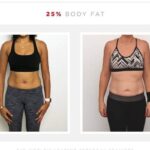 Women’s Body Fat Percentage: What You Should Know
 Reduce Cholesterol Naturally at Home