
This article will delve into the various symptoms linked to prolonged stress, highlighting how it can affect both mental and physical well-being. Furthermore, we will offer practical coping strategies and suggestions designed to assist individuals in managing and alleviating the effects of stress in their everyday lives. By recognizing the signs and applying effective techniques, readers can strive for a healthier, more balanced lifestyle.
Understanding Prolonged Stress
Prolonged stress, often referred to as chronic stress, occurs when an individual experiences ongoing stressors that do not allow for adequate recovery and relaxation. Unlike acute stress, which is a short-term response to a specific threat, prolonged stress persists over weeks, months, or even years, leading to significant physical and emotional strain.
Understanding the nature and causes of prolonged stress is crucial. Common contributors include work pressures, relationship challenges, financial difficulties, and major life changes. Awareness of how these stressors manifest can empower individuals to recognise and address their impact effectively.
Common Symptoms of Prolonged Stress
Recognising the symptoms of prolonged stress is a vital step in managing its effects. These symptoms can be broadly categorised into physical and mental indicators.
Physical and mental indicators
- Physical Symptoms: Chronic fatigue, headaches, muscle tension, digestive issues, and changes in appetite are common physical manifestations of prolonged stress.
- Mental Symptoms: Anxiety, irritability, depression, and difficulty concentrating are prevalent mental health indicators associated with prolonged stress.
- Behavioural Changes: Withdrawal from social activities, increased reliance on alcohol or drugs, and changes in sleep patterns can also signal prolonged stress.
Recognising these symptoms early can help individuals take proactive steps to mitigate their effects and avoid long-term health consequences.
Impact on Daily Life
Prolonged stress can significantly disrupt an individual’s daily activities, affecting both personal and professional aspects of life.
How stress affects daily activities
- Work Performance: Chronic stress can lead to decreased productivity, difficulty in decision-making, and increased absenteeism.
- Relationships: Stress can cause irritability and withdrawal from loved ones, straining relationships and leading to potential isolation.
- Health: The long-term effects of stress can result in serious health issues, including cardiovascular diseases, obesity, and weakened immune function.
Understanding these impacts is essential for developing effective coping mechanisms and making necessary changes.
Effective Coping Strategies
Implementing effective coping strategies can significantly alleviate the effects of prolonged stress. Here are several techniques that have proven beneficial:
Techniques for managing stress
- Mindfulness and Meditation: Practicing mindfulness can help ground individuals in the present moment, reducing anxiety and promoting relaxation.
- Regular Exercise: Physical activity releases endorphins, which help combat stress and improve overall mood.
- Time Management: Effective prioritization of tasks can help reduce feelings of being overwhelmed.
- Social Support: Maintaining connections with friends and family can provide emotional support and reduce feelings of isolation.
- Healthy Eating: A balanced diet can help regulate mood and energy levels, making it easier to cope with stressors.
Incorporating these strategies into daily life can create a more balanced and less stressful environment.
When to Seek Help
While many individuals can manage stress effectively with self-help techniques, there are times when professional assistance may be necessary.
Signs it’s time to consult a professional
- Chronic Symptoms: If stress symptoms persist despite efforts to manage them, it may be time to seek professional support.
- Impaired Daily Functioning: Difficulty performing everyday tasks or maintaining relationships may indicate a need for professional intervention.
- Substance Abuse: Increased reliance on alcohol or drugs to cope with stress is a significant red flag.
Consulting with a mental health professional can provide individuals with tailored strategies to manage their stress effectively.
Healthy Lifestyle Changes
Making specific lifestyle modifications can create a more resilient foundation against stress.Modifications to reduce stress
- Establishing Routines: A consistent daily routine can provide structure and predictability, reducing feelings of chaos.
- Quality Sleep: Prioritizing sleep hygiene by maintaining a regular sleep schedule can significantly improve stress resilience.
- Limit Caffeine and Sugar: Reducing consumption of stimulants can help regulate mood and energy levels.
- Engaging in Hobbies: Taking time for enjoyable activities can serve as a vital stress relief outlet.
Long-Term Management Techniques
Sustaining stress relief over time requires ongoing commitment and adaptation.Sustaining stress relief over time
- Regular Reflection: Taking time to reflect on stressors and coping strategies can help individuals adapt and refine their approach.
- Continuous Learning: Keeping informed about new stress management techniques can enhance coping skills.
- Building a Support Network: Cultivating relationships with others facing similar struggles can provide encouragement and shared resources.
These long-term strategies can help individuals maintain their mental health and well-being in the face of ongoing challenges.
In conclusion, understanding prolonged stress and its symptoms is crucial for effective management. By implementing coping strategies, making healthy lifestyle changes, and recognizing when to seek help, individuals can significantly enhance their resilience against stress. For further ideas and resources, feel free to explore our product section on our website.
 Royal Jelly: Benefits for Men and How to Use It
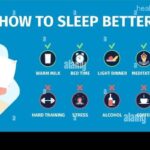 Nighttime Waking? Tips for Better Sleep
 How to Reduce Water Retention in the Body