
Benefits of Vitamin Supplements
Vitamin supplements can play a significant role in enhancing overall health and well-being. Here are some of the key benefits:
- Fill Nutritional Gaps: Many people do not get enough vitamins from their diet alone. Supplements can help bridge these gaps.
- Support Immune Function: Vitamins such as C and D are known to boost the immune system, helping the body fend off illnesses.
- Improve Energy Levels: Certain vitamins, particularly B vitamins, are essential for energy production in the body.
- Enhance Mood and Cognitive Function: Vitamins like B12 and D have been linked to improved mood and cognitive abilities.
-
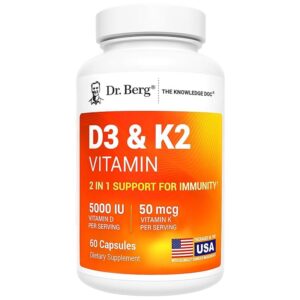
My Opinion on Dr. Berg’s Vitamin D3 K2 Supplement: Worth Trying?
-
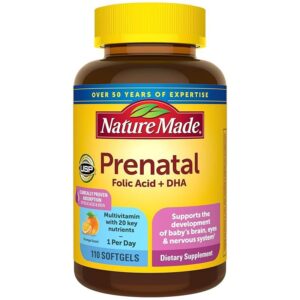
My Verdict on Nature Made Prenatal Vitamins: Are They Worth It?
-
Reliable Vitamin D3 Support for Strong Bones and Immune Health

-
Wholesome Story Myo-Inositol: A Game Changer for Hormonal Balance

-
Delicious and Effective: My Take on Amazon Basics Multivitamin Gummies

-
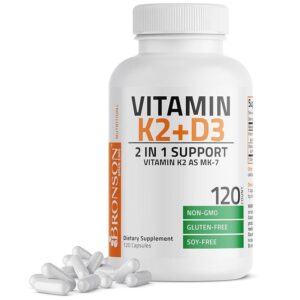
Is Bronson K2 D3 Supplement the Ultimate Health Boost?
-
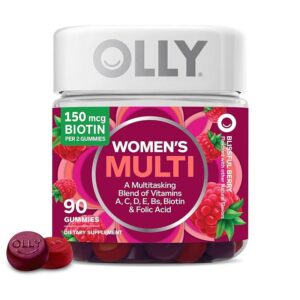
My Take on OLLY Women’s Multivitamin Gummies: Are They Worth It?
-
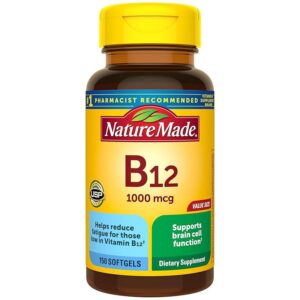
Revitalize Your Energy with Nature Made B12: A Game Changer!
-
My Take on Nature Made Super B Complex: Effective Immune Support?

Best Vitamin Supplements for Overall Health
Choosing the right vitamin supplements can be overwhelming due to the vast number of options available. Here are some of the best supplements that promote overall health:
- Multivitamins: A good quality multivitamin can cover a broad spectrum of nutritional needs.
- Vitamin D: Especially important for bone health and immune function, particularly in areas with limited sunlight.
- Omega-3 Fatty Acids: These are essential for heart health and cognitive function.
- Vitamin C: Known for its antioxidant properties and immune support.
- B Vitamins: Important for energy levels and brain health.
How to Choose the Right Vitamin Supplements
Selecting the right vitamin supplements requires careful consideration of various factors. Here are some tips to help you make an informed choice:
- Assess Your Diet: Identify any nutritional gaps in your diet before choosing supplements.
- Consult a Healthcare Professional: A doctor or nutritionist can provide personalized recommendations based on your health needs.
- Check for Quality: Look for supplements that have been third-party tested for purity and potency.
- Consider Your Age and Lifestyle: Different life stages and lifestyles may require different vitamin needs.
Potential Risks of Taking Vitamin Supplements
While vitamin supplements can offer numerous benefits, they can also pose risks if not used wisely. Here are some potential risks to be aware of:
- Overdose: Taking too much of certain vitamins, especially fat-soluble ones like A, D, E, and K, can lead to toxicity.
- Interactions with Medications: Some supplements can interact negatively with prescription medications.
- False Sense of Security: Relying solely on supplements may lead to neglecting a balanced diet.
- Adverse Reactions: Some individuals may have allergies or sensitivities to specific supplements.
Natural Sources of Essential Vitamins
While supplements can be beneficial, obtaining vitamins from natural food sources is always preferable. Here are some excellent sources of essential vitamins:
- Vitamin A: Found in carrots, sweet potatoes, and leafy greens.
- Vitamin C: Abundant in citrus fruits, strawberries, and bell peppers.
- Vitamin D: Available through sunlight exposure and foods like fatty fish and fortified dairy products.
- B Vitamins: Found in whole grains, legumes, nuts, and green vegetables.
- Vitamin E: Present in nuts, seeds, and green leafy vegetables.