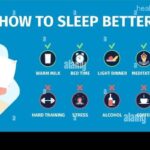
This article will delve into a variety of home remedies for addressing night sweats linked to menopause. Since numerous women encounter this distressing symptom during their transition, we aim to offer practical suggestions and ideas that may help ease the discomfort. Ranging from lifestyle modifications to natural solutions, readers will uncover an assortment of options designed to provide relief and enhance their overall well-being throughout this stage of life.
Understanding Night Sweats
Night sweats are episodes of excessive perspiration that occur during sleep, often leading to discomfort and disrupted rest. While they can happen to anyone, they are particularly prevalent among women undergoing menopause. Night sweats are typically caused by hormonal fluctuations, especially the decline in oestrogen levels, and can result in waking up drenched in sweat, feeling hot, and experiencing difficulty in falling back asleep.
Common Causes of Menopause Symptoms
As women approach menopause, they may experience a range of symptoms, including night sweats. Understanding these symptoms can help in managing them effectively. Here are some common causes:
- Hormonal Changes: The most significant factor is the fluctuation of hormones, particularly oestrogen and progesterone.
- Age: The onset of menopause usually occurs between ages 45 and 55, but symptoms can start earlier.
- Genetics: Family history can play a role; if your mother experienced severe menopause symptoms, you might too.
- Health Conditions: Certain medical conditions, such as thyroid disorders or infections, can exacerbate night sweats.
- Medications: Some medications, including antidepressants and hormone therapies, may trigger or worsen symptoms.
Effective Home Remedies
Many women find relief from night sweats through various home remedies. Here are some effective strategies to consider:
- Cool Sleep Environment: Keep your bedroom cool and well-ventilated. Use breathable cotton sheets and pillows to help regulate body temperature.
- Layered Clothing: Wear light, moisture-wicking fabrics to bed, allowing you to adjust your clothing according to your comfort level.
- Herbal Remedies: Some women find relief with herbs like black cohosh or sage. However, it is essential to consult with a healthcare professional before starting any new supplement.
- Hydration: Drink plenty of water throughout the day to stay hydrated, which can help manage body temperature.
- Aromatherapy: Consider using essential oils such as lavender or clary sage in a diffuser to promote relaxation and reduce stress.
Dietary Changes to Consider
Your diet can have a significant impact on your menopause symptoms, including night sweats. Incorporating specific foods and avoiding others can provide relief. Here are some dietary changes to consider:
- Increase Phytoestrogens: Foods like soy products, flaxseeds, and legumes contain phytoestrogens, which may help balance hormone levels.
- Limit Caffeine and Alcohol: Both substances can trigger night sweats and disrupt sleep patterns, so it’s advisable to limit their intake.
- Spicy Foods: Spicy meals can raise your body temperature and provoke sweating, so consider avoiding them, especially at dinner.
- Balanced Diet: Aim for a diet rich in fruits, vegetables, whole grains, and lean proteins to support overall health during menopause.
Relaxation Techniques for Relief
Stress can exacerbate menopause symptoms, including night sweats. Incorporating relaxation techniques into your daily routine can help manage stress levels and promote better sleep. Here are some methods to consider:
- Deep Breathing Exercises: Practicing deep breathing can help calm your mind and body, making it easier to fall asleep.
- Yoga and Stretching: Gentle yoga or stretching can help release tension and improve sleep quality.
- Meditation: Mindfulness meditation can reduce anxiety and promote relaxation, potentially alleviating symptoms.
- Progressive Muscle Relaxation: This technique involves tensing and relaxing different muscle groups to promote overall relaxation.
When to Seek Professional Help
While many women find relief through home remedies and lifestyle changes, there are instances when seeking professional help is essential. You should consider consulting a healthcare provider if:
- Your night sweats are severe and interfere with your sleep or daily activities.
- You experience other concerning symptoms, such as weight loss, fever, or fatigue.
- You have a family history of breast cancer or other hormone-sensitive cancers and are considering hormone replacement therapy.
- Your symptoms do not improve despite trying various home remedies and lifestyle changes.
Additional Tips for Managing Symptoms
In addition to the methods discussed, here are some extra tips to help manage menopause night sweats:
- Sleep Position: Some women find that sleeping on their side or in a position that allows for better airflow can help reduce night sweats.
- Maintain a Sleep Schedule: Going to bed and waking up at the same time every day can help regulate your sleep patterns.
- Journaling: Keeping a journal of your symptoms, diet, and lifestyle can help identify triggers and inform your management strategies.
- Stay Informed: Knowledge is power. Educate yourself on menopause and its symptoms to better equip yourself in managing them.
For more information on products that may assist with managing menopause symptoms, do check out our product section on our website. Remember, every woman’s experience with menopause is unique, and finding what works best for you may take time and experimentation.